Manufacturer Information
Review the product description, materials, sizing where relevant and intended use for the specific item.
WEEA promotes reusable menstrual products as part of its work on menstrual health, dignity, accessibility and responsible resource use.
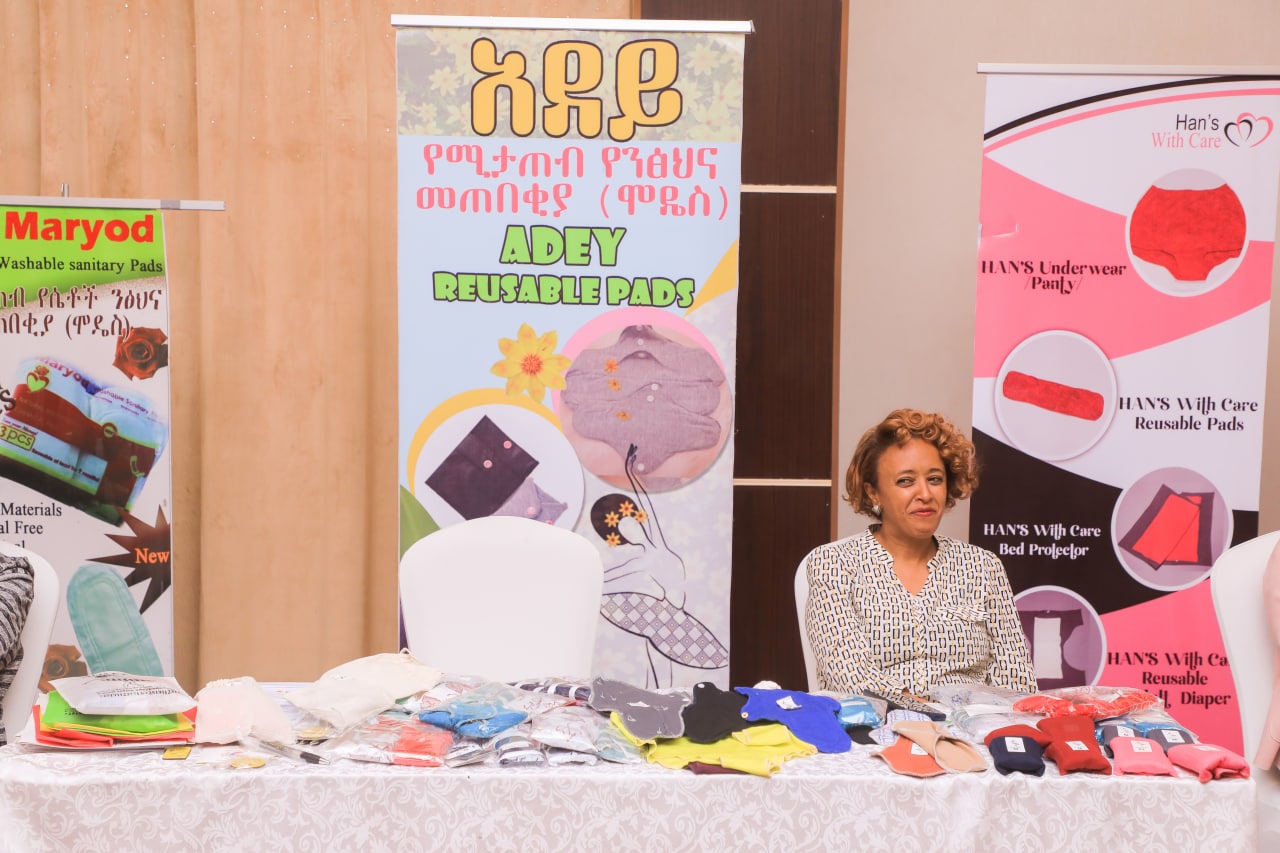
WEEA promotes reusable menstrual products as part of its commitment to menstrual health, dignity, accessibility, and responsible resource use.
For women and girls, having suitable menstrual products and reliable information can make a meaningful difference in everyday life. Reusable products can provide an alternative to disposable options when they are appropriate, accessible, and supported by guidance on use, washing, drying, storage, and care.
Our approach connects menstrual products with education and awareness. We recognize that products must be accompanied by accurate information and practical guidance so that users can make informed choices and manage menstruation with confidence.
WEEA supports efforts to improve access to menstrual health resources while encouraging respectful conversations and reducing stigma.
Menstrual health is connected to well-being, education, dignity, and participation. Women and girls deserve access to the information, products, and supportive environments they need to manage menstruation.
We continue to work with communities and partners toward a future in which menstrual health is recognized as an essential part of women’s and girls’ well-being.
Product selection connects users’ needs and preferences with the information supplied for each item. Manufacturer details and practical care guidance are part of planning a suitable programme or kit partnership.
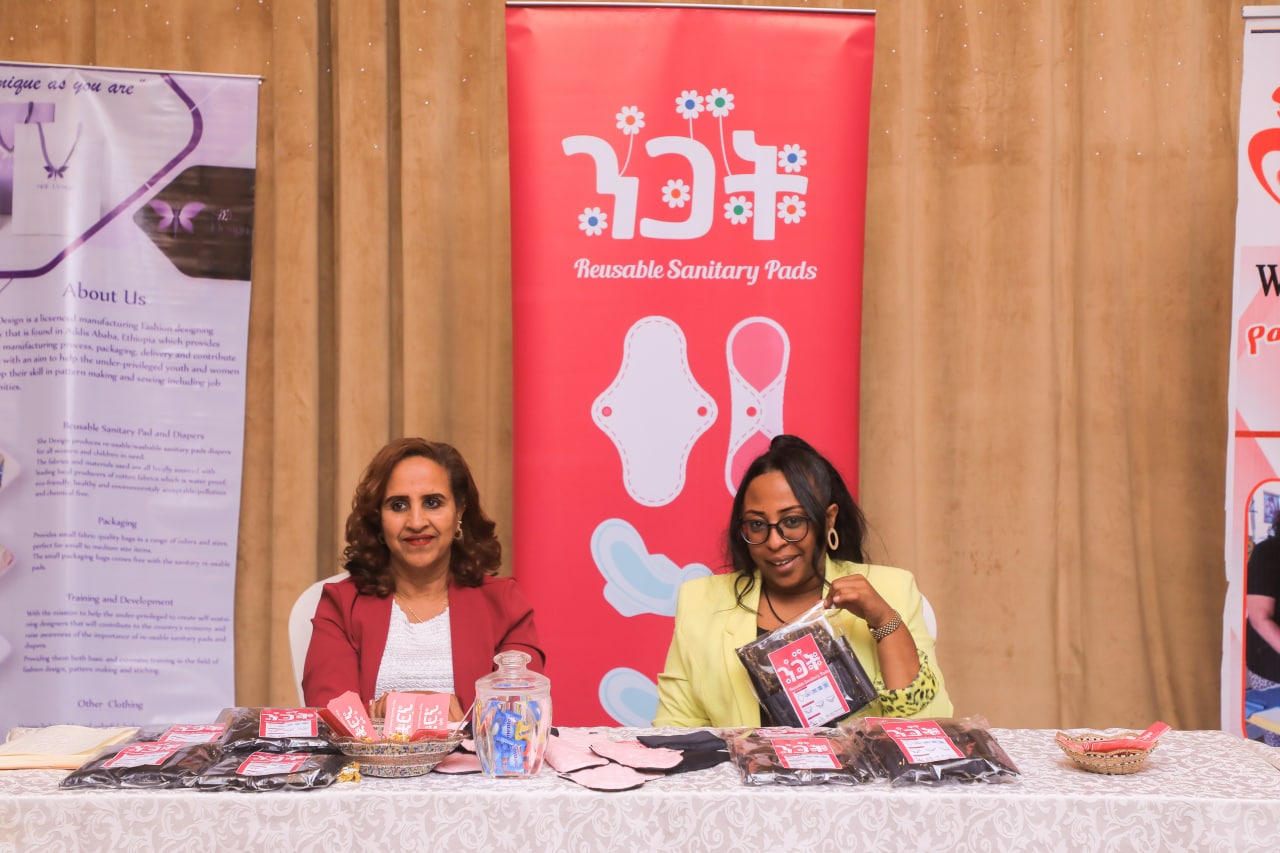
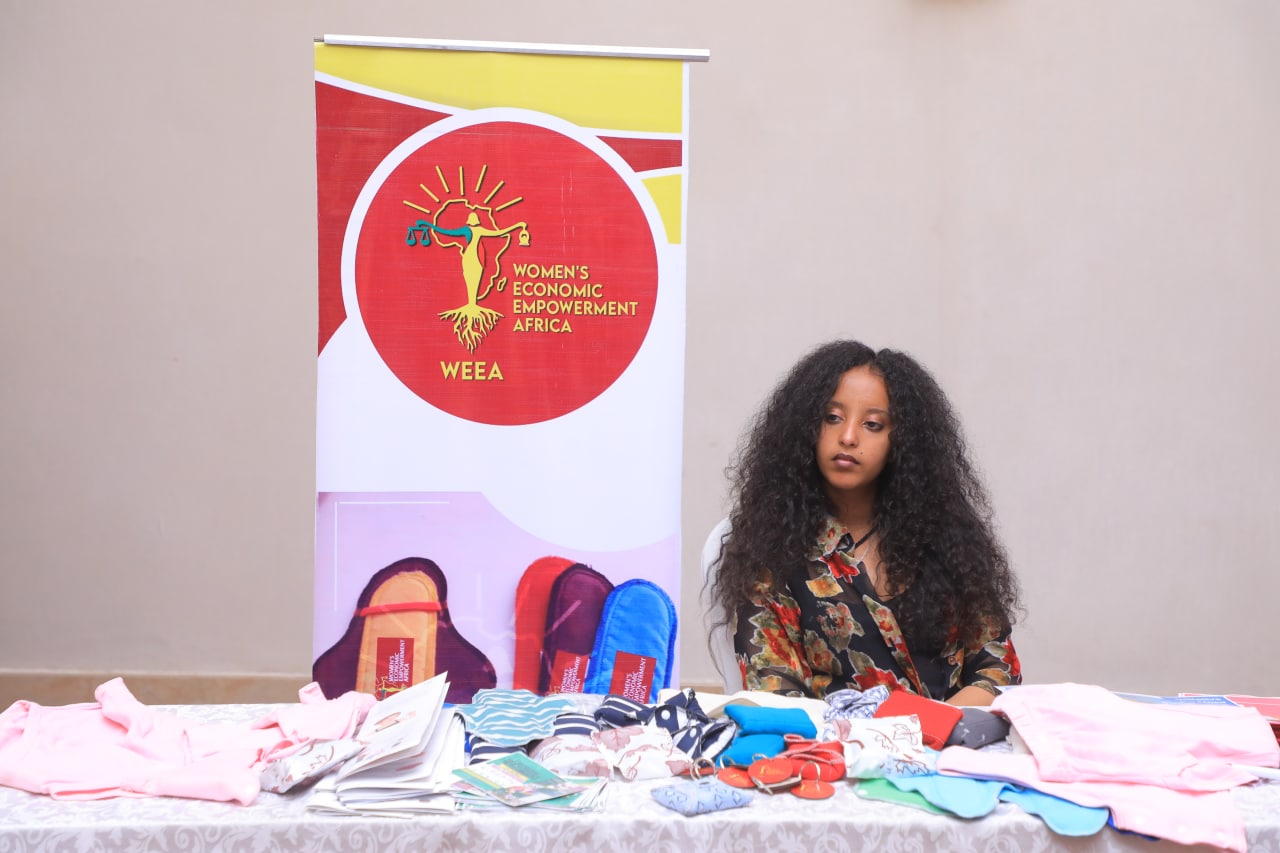
Review the product description, materials, sizing where relevant and intended use for the specific item.
Discuss product choice, practical arrangements and access to clear information with the people participating in the programme.
Agree quantities, sourcing, product-use education and distribution responsibilities with WEEA and the relevant partners.
Follow the care instructions supplied for the selected product. Washing, drying and storage requirements should be explained in product-use education and considered alongside the setting in which the item will be used.
Organizations can discuss demonstrations, learning materials and ways for participants to ask questions.