SDG 1 · No Poverty
Economic opportunities and sustainable livelihoods.
WEEA connects community-level experiences with policy discussions and development priorities.
WEEA recognizes that lasting change requires both practical support and attention to the wider systems affecting women and girls.
Our advocacy and research-related work focuses on increasing awareness, elevating community needs, and encouraging action on issues connected to menstrual health, gender equality, access to essential products, and women’s empowerment.
Menstrual health is a matter of dignity, well-being, and equal participation. WEEA supports efforts to reduce stigma, improve access to menstrual products, and encourage policies and practices that respond to the needs of women and girls.
Our advocacy includes engagement around barriers that affect access and affordability, including the importance of considering how taxes and other costs influence the availability of menstrual products.
Community experiences are essential to understanding what works, what remains challenging, and where further action is needed.
WEEA values learning, evidence, and collaboration as foundations for improving programs and informing advocacy. We aim to connect practical experience with broader conversations about women’s and girls’ rights, health, and opportunities.
WEEA’s work and programme priorities connect with the following Sustainable Development Goals.
Economic opportunities and sustainable livelihoods.
Menstrual health information and community wellbeing.
Girls’ education, practical skills and inclusive learning.
Equal opportunities, dignity and women’s participation.
Menstrual hygiene and supportive environments.
Entrepreneurship, youth skills and economic participation.
Priorities for local production and practical innovation.
Inclusion of underserved and marginalized communities.
Priorities for reusable menstrual products and sustainable production.
Meaningful participation and institutional accountability.
Collaboration, knowledge exchange and shared development priorities.
Goal icons: United Nations Sustainable Development Goals. Not approved by the United Nations; this website does not reflect the views of the United Nations, its officials or Member States.
Women’s economic participation and entrepreneurship connect with Aspiration 1 on inclusive growth and sustainable development. Youth leadership, education and inclusion connect with Aspiration 6 on participation, gender equality and opportunities for young people.
African Union Agenda 2063 AspirationsPublic records of WEEA’s youth policy engagement and Mahlet Zeleke Redi’s contributions and listed roles across international platforms.
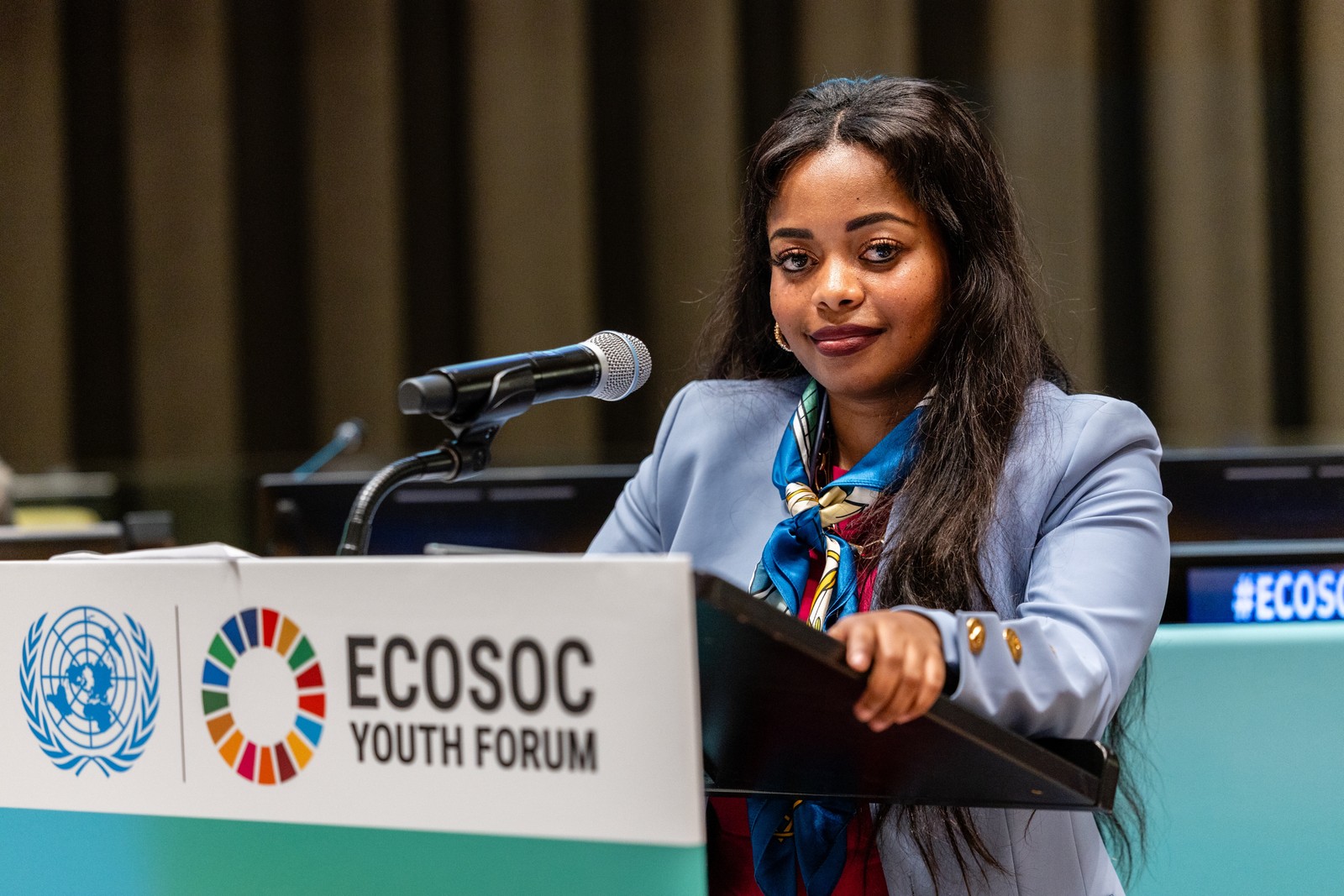
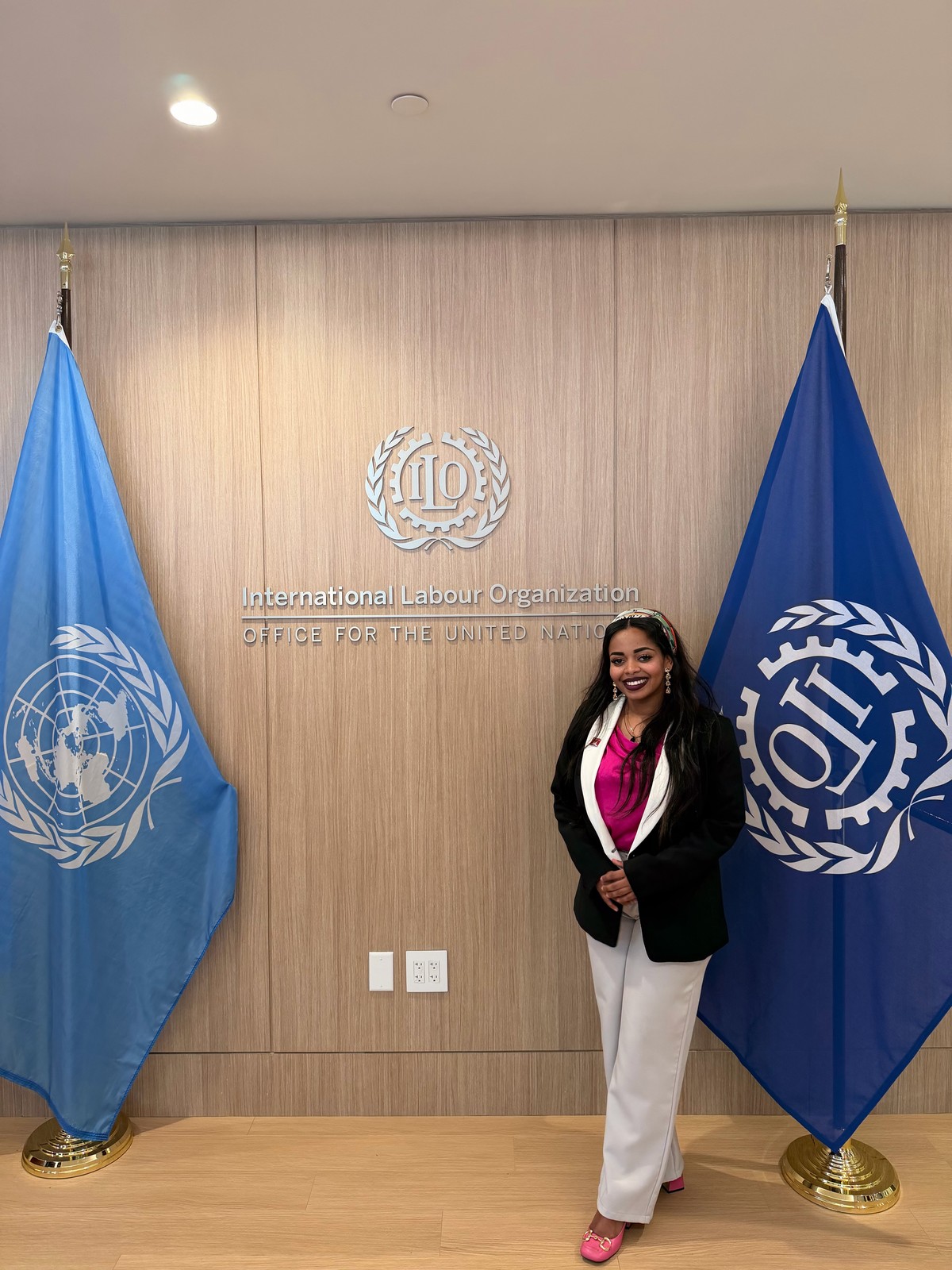
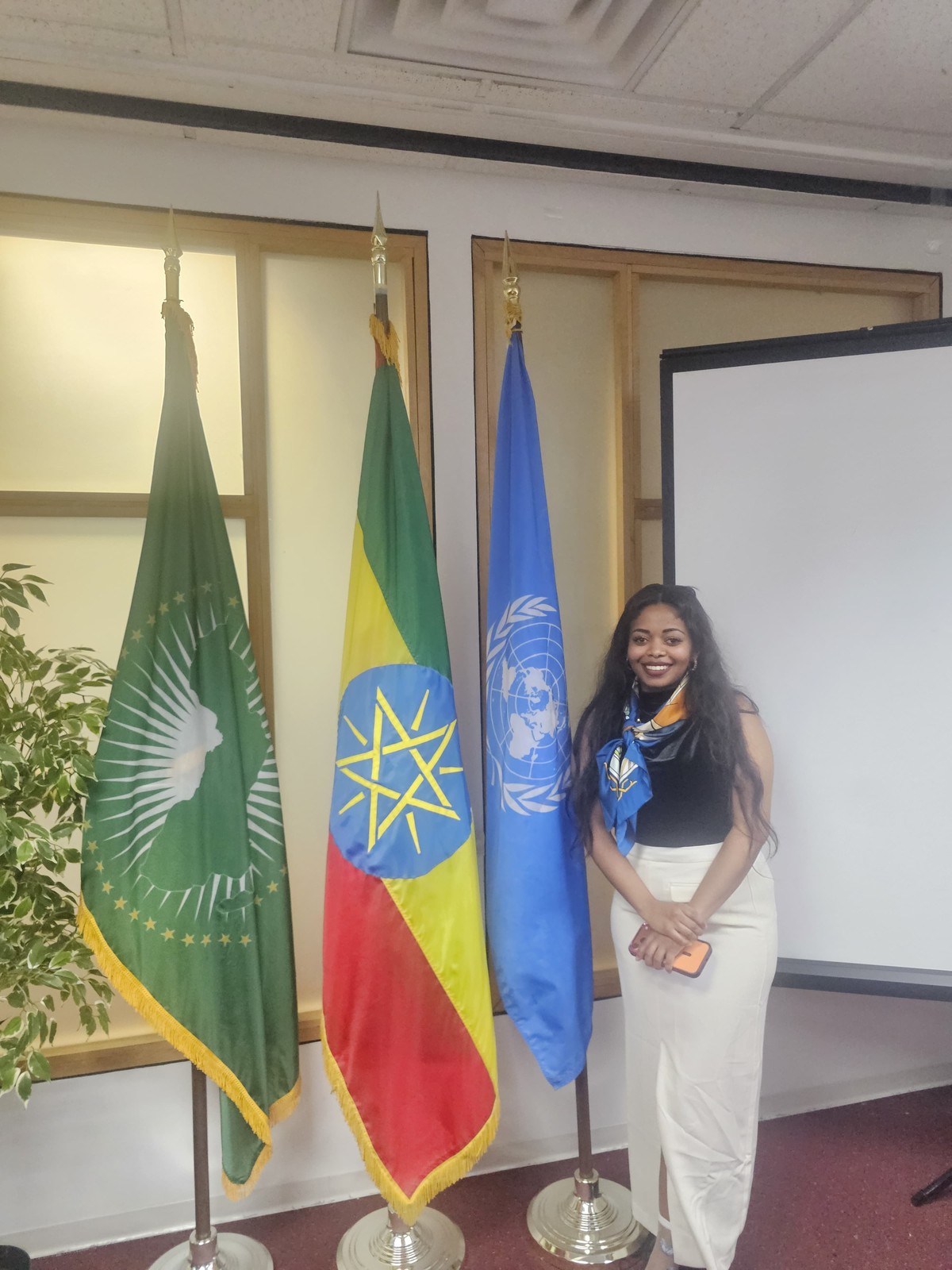
The event report records Mahlet Zeleke Redi’s contribution in her MGCY Global Focal Point role, connecting gender-responsive water, sanitation and hygiene with education, decent work and youth participation.
UNDP SparkBlue · UNDP–ILO event
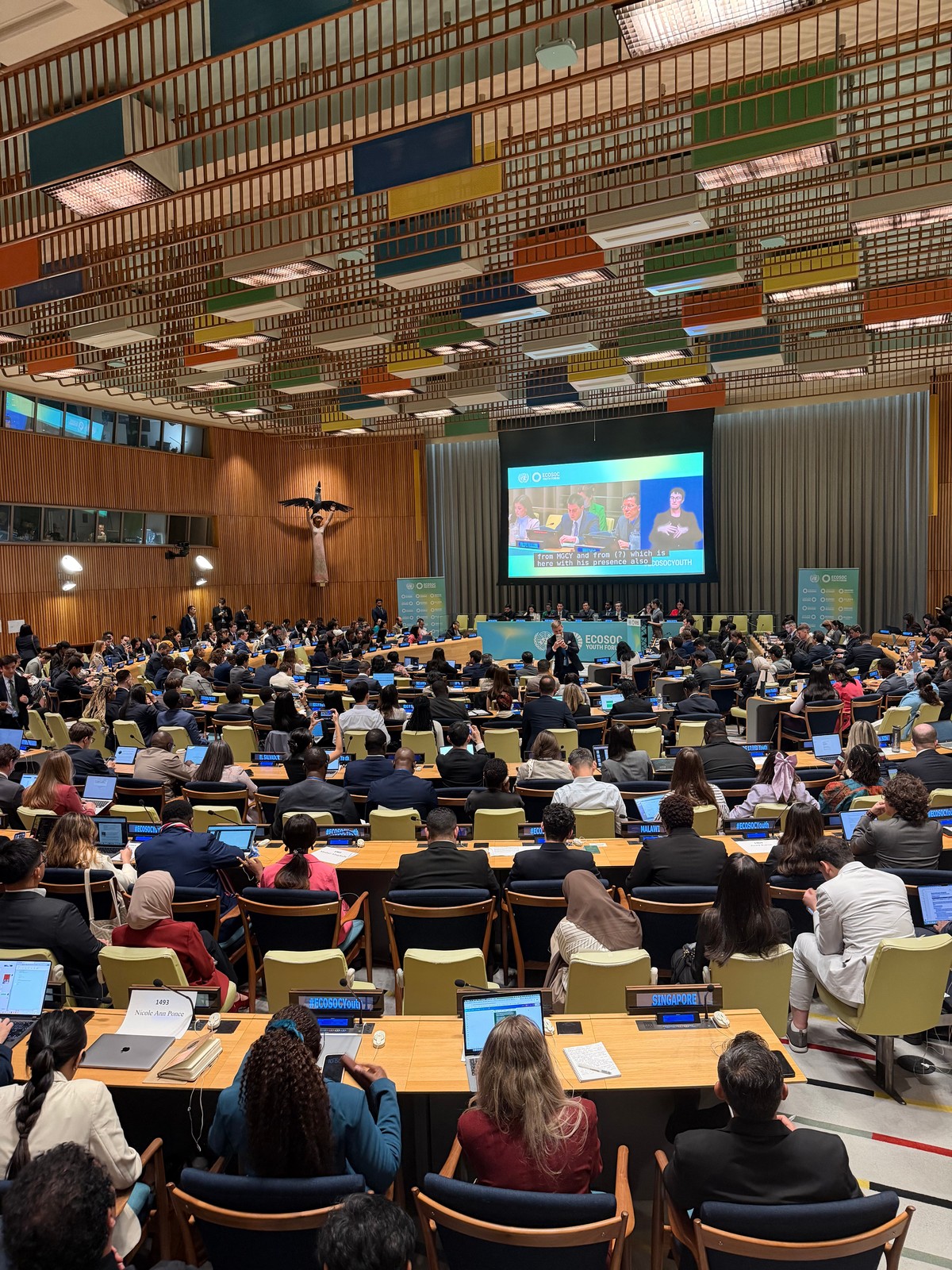
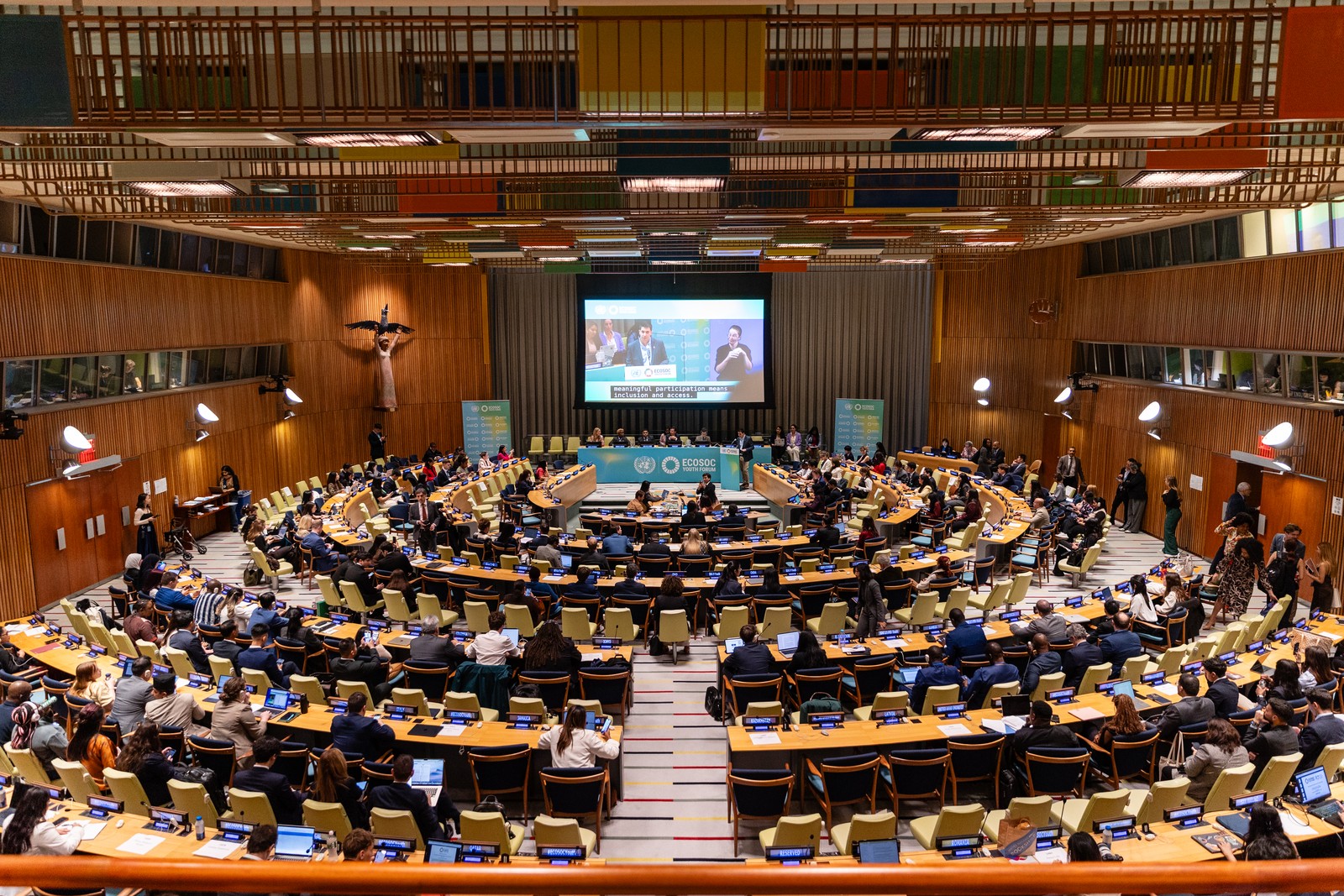
MGCY’s announcement names Women Economic Empowerment Africa among the organizations releasing an ECOSOC Youth Forum pre-consultation on partnerships and equitable financing.
Major Group for Children and Youth
The 2025 directory lists Mahlet Zeleke Redi in her MGCY Global Focal Point role for the session “A Just Transition For All: From Concepts to Action”.
Hamburg Sustainability Conference
UN DESA’s feature names Mahlet Zeleke Redi and Women Economic Empowerment Africa in its coverage of young people’s perspectives on financing for development.
United Nations Department of Economic and Social Affairs
The Major Group for Children and Youth announced Mahlet Zeleke, representing Women Economic Empowerment Africa Youth Organisation, as a Global Focal Point for its Global Youth Caucus on Decent Work and Sustainable Economies.
Major Group for Children and Youth
Each record identifies the role or contribution described by its publisher. Individual MGCY roles and participant listings do not establish WEEA membership, accreditation or endorsement by the United Nations.
Child safety, appropriate behaviour, supervision, photography, consent, and sharing children’s images.
Expectations for partners, volunteers, visitors and others involved in activities with children. Children’s safety and dignity come before publicity.
Download policy : Child Safeguarding and Protection PolicyThe values and standards WEEA expects partner organizations to uphold when collaborating with us.
Respect, equal opportunity, accessibility and safe participation in joint activities, with no tolerance for harassment, exploitation or discrimination.
Download policy : Gender Equality and Inclusion Policy for PartnersConsent, photos, videos, participant stories, information-sharing, and privacy.
Participant information and images should be collected, used and shared only for agreed purposes, with appropriate permission. Participation must not depend on agreeing to publicity.
Download policy : Privacy, Photos and Information-Sharing Policy for PartnersHow partners and participants can raise concerns during joint projects.
The policy explains how to raise concerns verbally or in writing, how WEEA will respond, and the expectation that honest reporting is protected from retaliation.
Download policy : Feedback and Concerns Policy for PartnersTransparency, responsible use of WEEA’s name and resources, gifts, conflicts of interest, and ethical collaboration.
Partners should be truthful about their role and commitments, disclose relevant interests, use WEEA materials only with permission, and avoid improper gifts or benefits.
Download policy : Ethical Partnership and Conflict of Interest Policy